Planning an African safari adventure requires precise timing to turn a great vacation into a once-in-a-lifetime experience. Tanzania stands as Africa’s premier wildlife viewing destination, home to sweeping savannahs, the Big Five, and unrivaled natural wonders. Understanding the seasonal movements and weather patterns managed across TANAPA official reserves ensures you catch every dramatic moment in full color.
The Great Migration: Tracking the Herds Year-Round
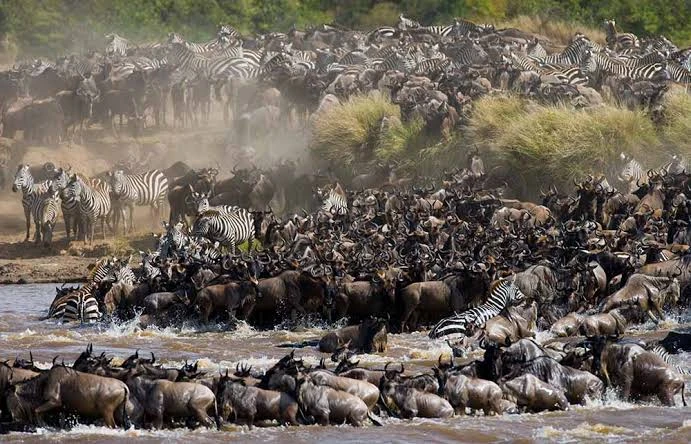
The Great Wildebeest Migration is the largest synchronized overland movement of wildlife on the planet, featuring over 1.5 million wildebeest, zebras, and gazelles moving continuously through the Serengeti ecosystem.
- July to October (River Crossings in Northern Serengeti): This is the most dramatic chapter of the Serengeti Great Migration. The mega-herds gather along the banks of the Mara River, facing steep cliffs and lurking Nile crocodiles. Watching thousands of animals plunge into the rushing water is an exhilarating spectacle that defines peak luxury Tanzania safari tours.
- January to March (Calving Season in Ndutu): The herds move south into the Ndutu region of the Ngorongoro Conservation Area and southern Serengeti. During this brief period, thousands of wildebeest calves are born daily on the fertile short-grass plains. This surge of vulnerable newborn prey attracts high concentrations of big cats, offering extraordinary opportunities for African predator photography and action-packed game drives.
- April to June & November to December (Transition Movements): In April and May, the herds migrate northwest through the Western Corridor, braving the Grumeti River crossings. By November, short rains draw them back south across the central Serengeti, making shoulder months ideal for seeing moving columns without large vehicle crowds.
Dry Season vs. Green Season: Choosing Your Ideal Window
Deciding when to travel depends heavily on your budget, travel style, and specific wildlife priorities.
The Dry Season (June to October)
- Optimal Wildlife Tracking: Vegetation thins out dramatically, making wildlife easier to spot. Animals concentrate around permanent water sources like the Tarangire River, creating exceptional Big Five game viewing conditions.
- Health & Comfort: Humidity is low, temperatures are comfortable, and malaria risk on safari drops significantly due to fewer mosquitoes.
- Best For: First-time travelers, iconic river crossing sightings, and combining bush adventures with beach escapes in Zanzibar.
The Green Season (November to May)
- Lush Scenery & Birdwatching: Brief rains turn dusty plains into vivid emerald landscapes. Over 500 species of migratory birds arrive, making this the golden hour for Tanzania birdwatching safaris.
- Exclusive Experience & Value: Rates for luxury lodges dip, permitting high-end experiences at a fraction of peak prices. Fewer vehicle crowds mean private, serene encounters across iconic national parks.
- Best For: Seasoned photographers, bird enthusiasts, and budget-conscious travelers seeking intimate custom African safari packages.
Plan Your Dream Tanzanian Safari
Crafting a seamless itinerary around seasonal movements requires local expertise and precision planning. Have questions about custom routes or private charter flights? Reach out directly via email to info@ikonsafaris.com or connect with our specialized reservations team at booking@ikonsafaris.com.
For quick inquiries, travel updates, and social media media interactions, write to social@ikonsafaris.com or submit your details through our contact for questions page to start building your personalized journey today!